


Blog
Understanding Wood Coatings: A Comprehensive Guide


Wood coatings play a crucial role in enhancing both the aesthetic appeal and durability of wooden surfaces. Whether you’re working on furniture, flooring, or outdoor projects, selecting the right coating is essential. In this article, we’ll explore the types of wood coatings, their applications, and tips for achieving the best results.
Types of Wood Coatings
1. Varnish
Varnish is a clear or tinted finish that provides a hard, protective layer. It’s ideal for high-traffic areas and outdoor furniture. Varnishes come in various sheens, from matte to high gloss.
Pros:
- Durable and water-resistant
- Enhances the natural beauty of wood
Cons:
- Longer drying times
- Can yellow over time
2. Polyurethane
Polyurethane is a synthetic resin that offers excellent durability and moisture resistance. It’s available in oil-based and water-based formulations.
Pros:
- Extremely hard and resistant to scratches
- Available in various finishes
Cons:
- Strong odors (especially oil-based)
- Requires proper application techniques
3. Lacquer
Lacquer dries quickly and provides a smooth, glossy finish. It’s commonly used in furniture making and cabinetry.
Pros:
- Fast-drying and easy to apply
- Excellent for achieving a high-gloss finish
Cons:
- Less resistant to heat and chemicals
- Requires careful application due to its fast drying time
4. Stain
Stains penetrate the wood, enhancing its color while allowing the grain to show through. They are often used as a first step before applying a topcoat.
Pros:
- Enhances wood grain and color
- Quick drying
Cons:
- Requires a topcoat for protection
- Can be difficult to achieve uniform color
5. Oil Finishes
Oil finishes, such as tung oil or linseed oil, penetrate deeply into the wood. They provide a natural look and feel while enhancing the grain.
Pros:
- Easy to apply and repair
- Non-toxic options available
Cons:
- Longer drying times
- Requires regular reapplication for maintenance
Applications of Wood Coatings
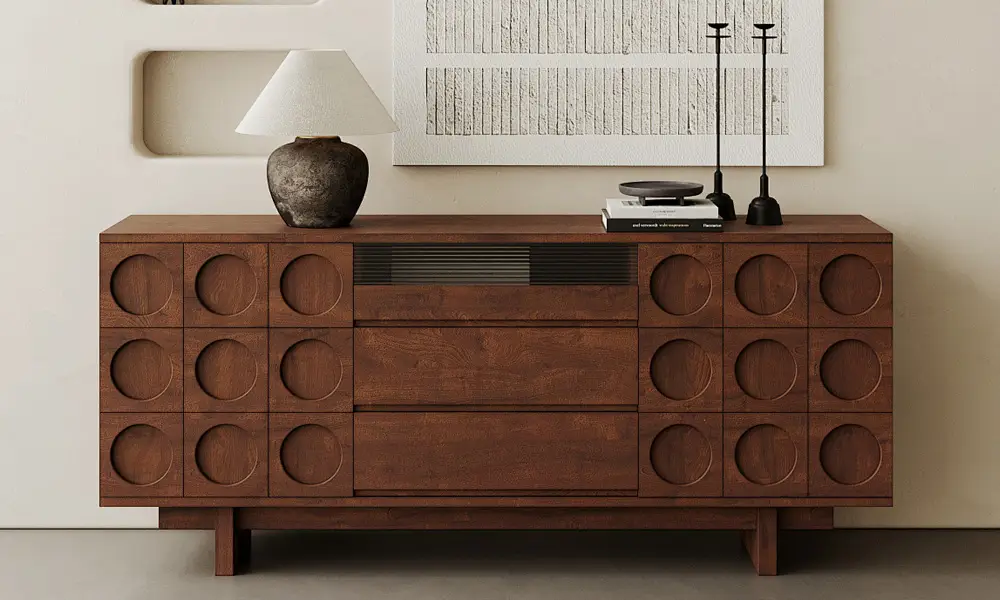
- Furniture: Protects surfaces from scratches and moisture while enhancing appearance.
- Flooring: Provides a durable finish that withstands foot traffic and stains.
- Outdoor Projects: Essential for protecting wood from UV rays and moisture.
- Cabinetry: Adds a professional finish and helps preserve the wood underneath.
Tips for Application
- Surface Preparation: Always sand the surface thoroughly to ensure a smooth finish. Remove dust and debris before applying any coating.
- Temperature and Humidity: Ideal conditions for applying coatings are between 50°F and 90°F with low humidity. Extreme conditions can affect drying times and finish quality.
- Test First: Always test your chosen coating on a small, inconspicuous area to see how it reacts with the wood.
- Multiple Coats: For durability, apply multiple thin coats rather than one thick coat. This helps prevent drips and unevenness.
- Proper Tools: Use high-quality brushes, rollers, or sprayers for application to achieve a smooth finish.
Conclusion
Choosing the right wood coating can significantly impact the longevity and appearance of your wooden projects. By understanding the different types of coatings and their applications, you can make informed decisions that enhance your woodworking endeavors. Whether you’re a hobbyist or a professional, mastering wood coatings will elevate your craftsmanship and ensure your projects stand the test of time. Shop Now Wood Coating at https://4mcoatings.com/shop/